Customer Churn Prediction Solutions for Telecom Enterprises
We engineer AI-powered customer churn prediction systems that analyze telecom data, identify at-risk subscribers, and enable proactive retention across complex operations.
We engineer AI-powered customer churn prediction systems that analyze telecom data, identify at-risk subscribers, and enable proactive retention across complex operations.
With over 15 years of technical expertise and 50+ enterprise projects delivered globally, Oodles Technologies engineers intelligent systems for data-intensive business environments. Our approach combines machine learning, predictive analytics, cloud engineering, and enterprise application development to help telecom providers convert subscriber data into actionable retention intelligence.
We build customer churn prediction solutions as purpose-engineered systems rather than isolated analytics models. Our engineers integrate subscriber profiles, recharge behavior, billing history, network quality, customer service interactions, plan changes, device information, and usage patterns into a unified predictive architecture.
Using Python, TensorFlow, PyTorch, Scikit-learn, AWS, Apache Kafka, and modern data engineering frameworks, we develop scalable AI infrastructure capable of continuously processing high-volume telecom data and delivering actionable churn risk scores.

We design intelligent prediction ecosystems that connect telecom data sources, machine learning pipelines, and operational workflows to identify churn signals before subscriber attrition occurs.
Develop machine learning models that assign individual churn probabilities based on subscriber tenure, recharge frequency, plan utilization, ARPU trends, service complaints, payment behavior, and engagement patterns.
Analyze declining data consumption, reduced recharge activity, increasing complaint frequency, network dissatisfaction, plan downgrades, and other behavioral signals to identify emerging churn risks.
Correlate customer behavior with network KPIs such as dropped calls, latency, throughput, failed sessions, coverage issues, and service interruptions to distinguish experience-driven churn from commercial factors.
Connect model outputs with CRM and customer engagement workflows to trigger targeted offers, service interventions, plan recommendations, or priority support based on individual churn risk.
Implement SHAP, LIME, feature importance analysis, model drift monitoring, precision-recall evaluation, and threshold optimization to help business teams understand why subscribers are classified as high risk.
A telecom provider should not wait for cancellation activity to reveal customer dissatisfaction. Our customer churn prediction services transform fragmented subscriber and network data into early-warning intelligence that enables timely intervention.
We engineer telecom-focused AI architectures around the operational realities of mobile operators, broadband providers, MVNOs, and digital communication businesses.
Identify subscribers at risk of switching by analyzing recharge frequency, data consumption, ARPU changes, network experience, tariff plans, complaints, and competitor-related behavioral signals.
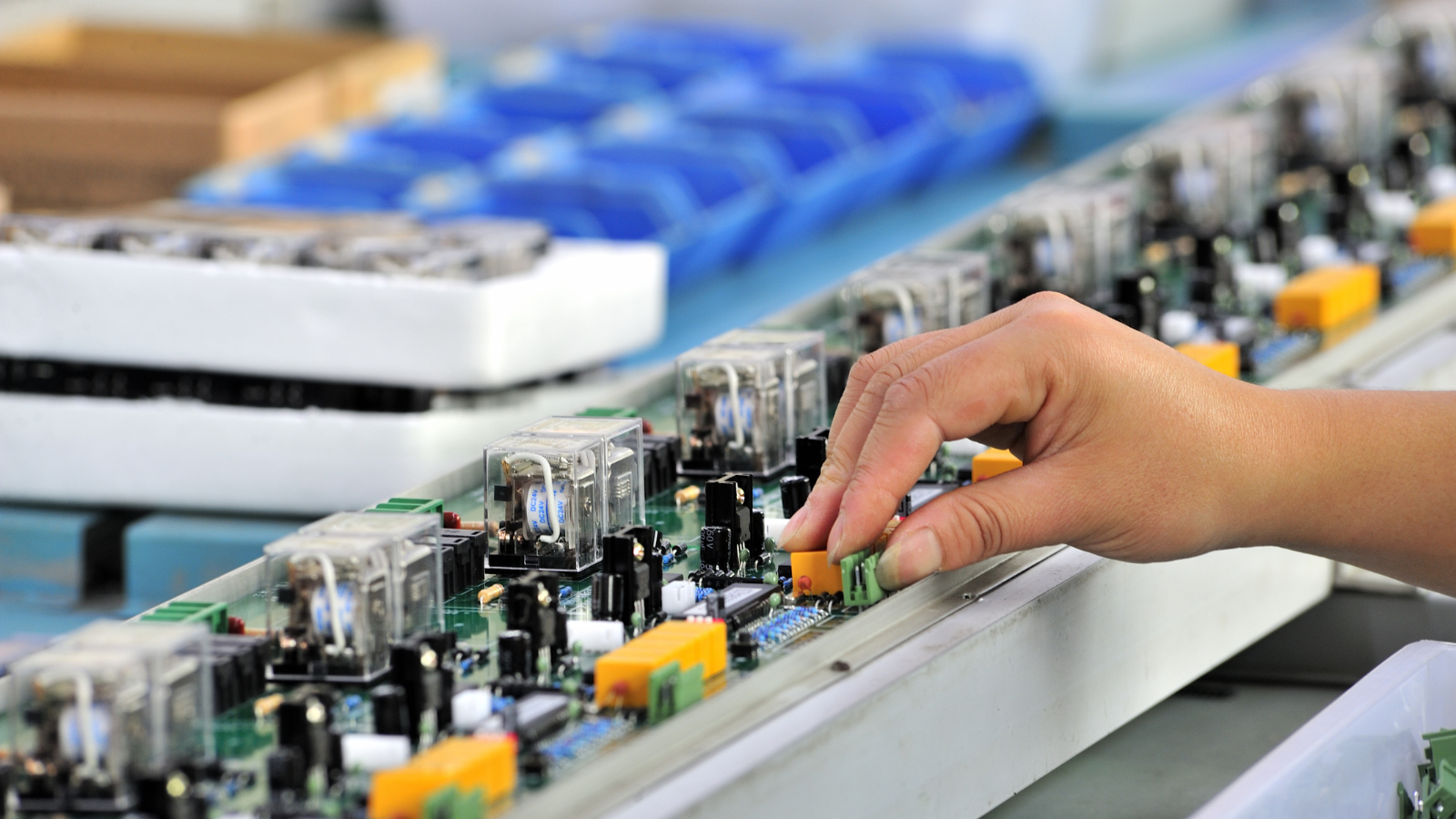
Predict customer attrition using service tickets, downtime frequency, bandwidth utilization, installation history, contract lifecycle, payment behavior, and recurring connectivity issues.

Identify account-level churn risks across enterprise connectivity, managed network services, cloud communications, and dedicated bandwidth contracts by combining usage, SLA performance, support activity, and account engagement data.

Build customer churn prediction models that incorporate evolving usage patterns, service adoption, application engagement, network experience, and digital-channel interactions to support retention strategies across rapidly changing service portfolios.

Our development lifecycle combines telecom domain modeling, machine learning engineering, data integration, and production-grade MLOps to deliver reliable predictive systems.
Our data engineers audit subscriber, billing, CRM, network, OSS/BSS, service-ticket, recharge, and usage data to identify predictive signals and establish reliable data relationships.
We clean, normalize, encode, and transform high-volume telecom datasets while engineering features such as usage decline, recharge intervals, complaint frequency, ARPU movement, network degradation, and tenure.
Data scientists evaluate algorithms including Logistic Regression, Random Forest, XGBoost, LightGBM, CatBoost, neural networks, and survival-based approaches to determine the most appropriate churn model prediction strategy.
We connect prediction pipelines with CRM, customer engagement platforms, ERP software, data warehouses, APIs, and operational systems so churn scores can initiate automated business actions.
Using MLflow, Docker, Kubernetes, AWS, monitoring pipelines, and CI/CD practices, we deploy production models and continuously monitor drift, precision, recall, latency, and prediction performance.
Ready to turn subscriber behavior into actionable retention intelligence? Work with our AI engineers to architect a production-ready customer churn prediction platform tailored to your telecom data ecosystem.
Schedule AI Architecture ConsultationBuilding reliable telecom AI requires more than training a machine learning model. It requires secure data pipelines, domain-specific feature engineering, scalable infrastructure, and integration with the systems where retention decisions actually happen.
We engineer predictive systems around network performance, subscriber behavior, billing events, service interactions, and commercial signals rather than relying on generic customer datasets.
Our engineers use event-driven pipelines, distributed processing, containerized deployments, cloud infrastructure, and API-based architectures to support large subscriber populations and continuously changing data.
Our solutions are designed to move beyond probability scores by connecting churn intelligence with retention workflows, customer service processes, campaign systems, and operational decision-making.
Through APIs, middleware, data pipelines, and secure connectors, we integrate predictive intelligence with existing CRM, OSS/BSS, ERP, billing, data warehouse, and customer engagement environments.
We evaluate models using precision, recall, F1-score, ROC-AUC, confusion matrices, calibration, and business-specific thresholds to balance false positives against missed high-value churn risks.
By incorporating SHAP, LIME, feature importance, and model monitoring, business teams can understand the factors influencing individual predictions rather than depending on opaque AI outputs.
"Effective telecom AI is not simply about predicting who may leave. It is about connecting that prediction to the right intervention, at the right time, through the right operational system."
Lead AI Architect, Oodles Technologies
Future-ready telecom operations require predictive intelligence embedded directly into existing workflows. Our customer churn prediction solutions establish an intelligent decision layer that continuously evaluates subscriber signals, identifies emerging risks, and routes actionable insights to customer-facing and operational teams.
Whether the objective is reducing voluntary churn, improving customer lifetime value, optimizing retention campaigns, or identifying service-quality issues driving subscriber dissatisfaction, our AI engineers develop scalable architectures around your existing data and technology environment.
By combining machine learning, explainable AI, real-time data processing, and enterprise integration, we help telecom providers transform customer data into a continuously improving retention capability.
.png)
Turn customer behavior into proactive retention strategies. Partner with our AI and data engineering specialists to build a scalable predictive intelligence platform for your telecom operations.
Request AI Capability AuditThank you for contacting us.
Sit tight! One of our technology experts will get in touch
with you within next 24 hours.
Catch up with all the latest tech buzz














.png)