Oodles - Your Trusted AI Engineering Partner

With over 15 years of software engineering expertise and 50+ enterprise implementations, Oodles Technologies develops intelligent retail solutions tailored to complex business operations. Rather than deploying generic forecasting platforms, we engineer AI demand forecasting systems customized to your retail workflows, integrating enterprise data, predictive intelligence, and scalable cloud-native architectures. Our engineering teams leverage advanced AI frameworks, MLOps pipelines, and distributed computing environments to deliver forecasting platforms that continuously adapt to changing consumer behavior and operational requirements.

Oodles AI Engineering Partner

Our AI Demand Forecasting Services

We engineer scalable AI demand forecasting solutions that combine enterprise data engineering, predictive analytics, and intelligent automation to improve planning accuracy across retail operations.

Enterprise Demand Prediction Models

We develop deep learning and time-series forecasting models using Transformer architectures, LSTM networks, XGBoost, Prophet, and demand forecasting machine learning techniques. These models analyze historical sales, seasonality, promotions, holidays, and regional buying patterns to generate highly accurate demand predictions.

Omnichannel Inventory Intelligence

Our engineers integrate forecasting engines with warehouse systems, POS platforms, eCommerce marketplaces, and ERP in retail environments to synchronize inventory movement across physical stores, distribution centers, and digital sales channels.

AI-Powered Promotion & Marketing Forecasting

We implement predictive models that evaluate campaign performance, customer segments, and purchasing trends to optimize promotional planning. By combining AI in marketing with forecasting intelligence, retailers can estimate promotional demand before launching campaigns.

Real-Time Demand Monitoring

Our cloud-native pipelines ingest streaming data from POS terminals, IoT devices, CRM platforms, supplier systems, and digital storefronts using Apache Kafka, Spark Streaming, and event-driven architectures, enabling continuous AI demand forecasting updates with minimal latency.

Stop relying on spreadsheets and static forecasting models. Partner with our engineers to deploy AI demand forecasting systems that continuously learn from enterprise data and respond intelligently to changing retail demand.

AI Demand Forecasting Across Retail Operations

We engineer intelligent forecasting architectures tailored for diverse retail business models, enabling faster planning, reduced inventory costs, and data-driven decision-making.

Grocery & FMCG Retail

Predict demand for perishable inventory by analyzing weather conditions, regional buying behavior, seasonal trends, supplier lead times, and promotional activities, minimizing spoilage while improving product availability.

Grocery and FMCG Retail

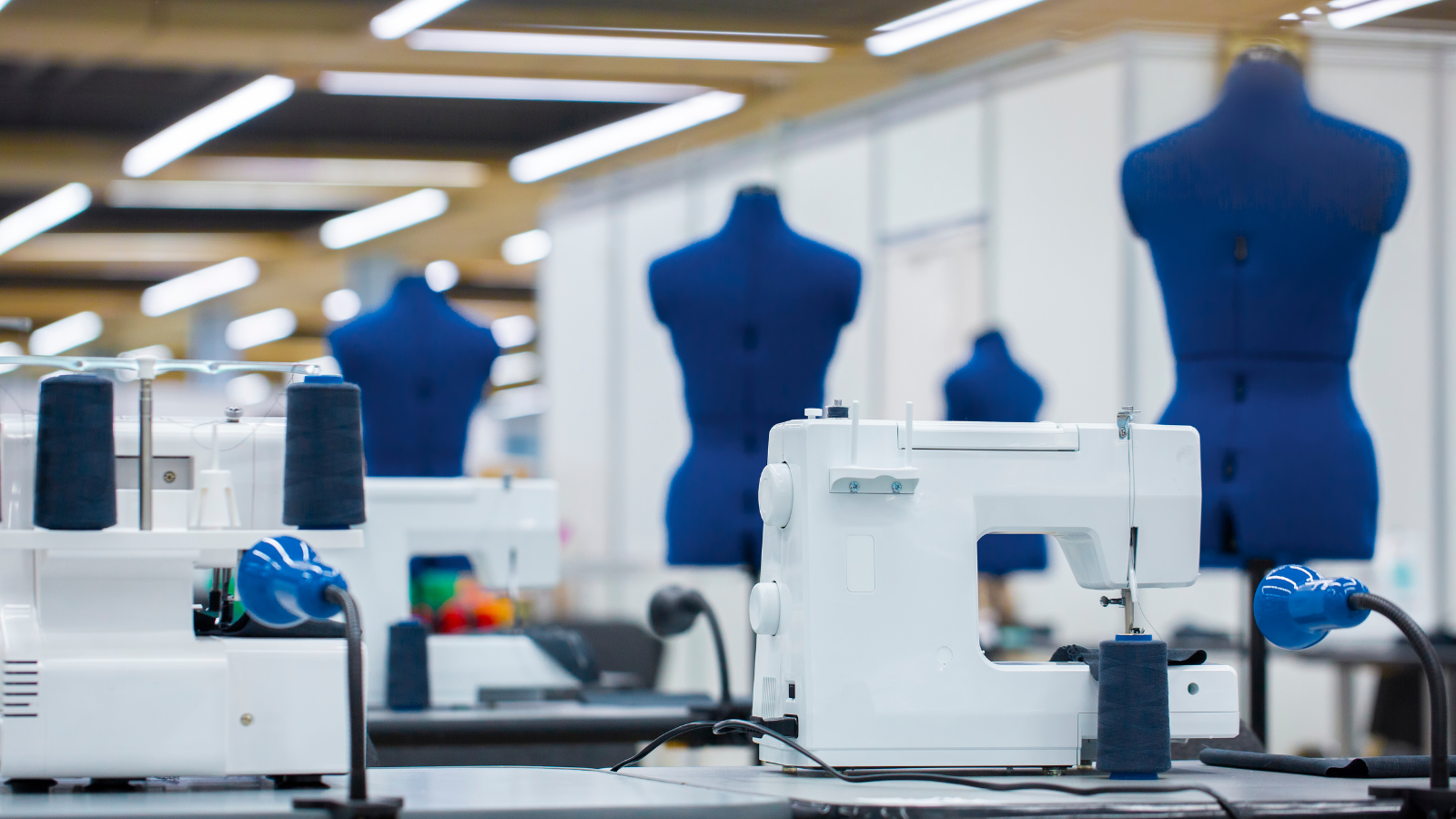
Fashion & Apparel Retail

Deploy AI demand forecasting models to anticipate style preferences, seasonal collections, SKU-level demand, and regional purchasing behavior, helping retailers optimize assortment planning and inventory allocation.

Fashion and Apparel Retail

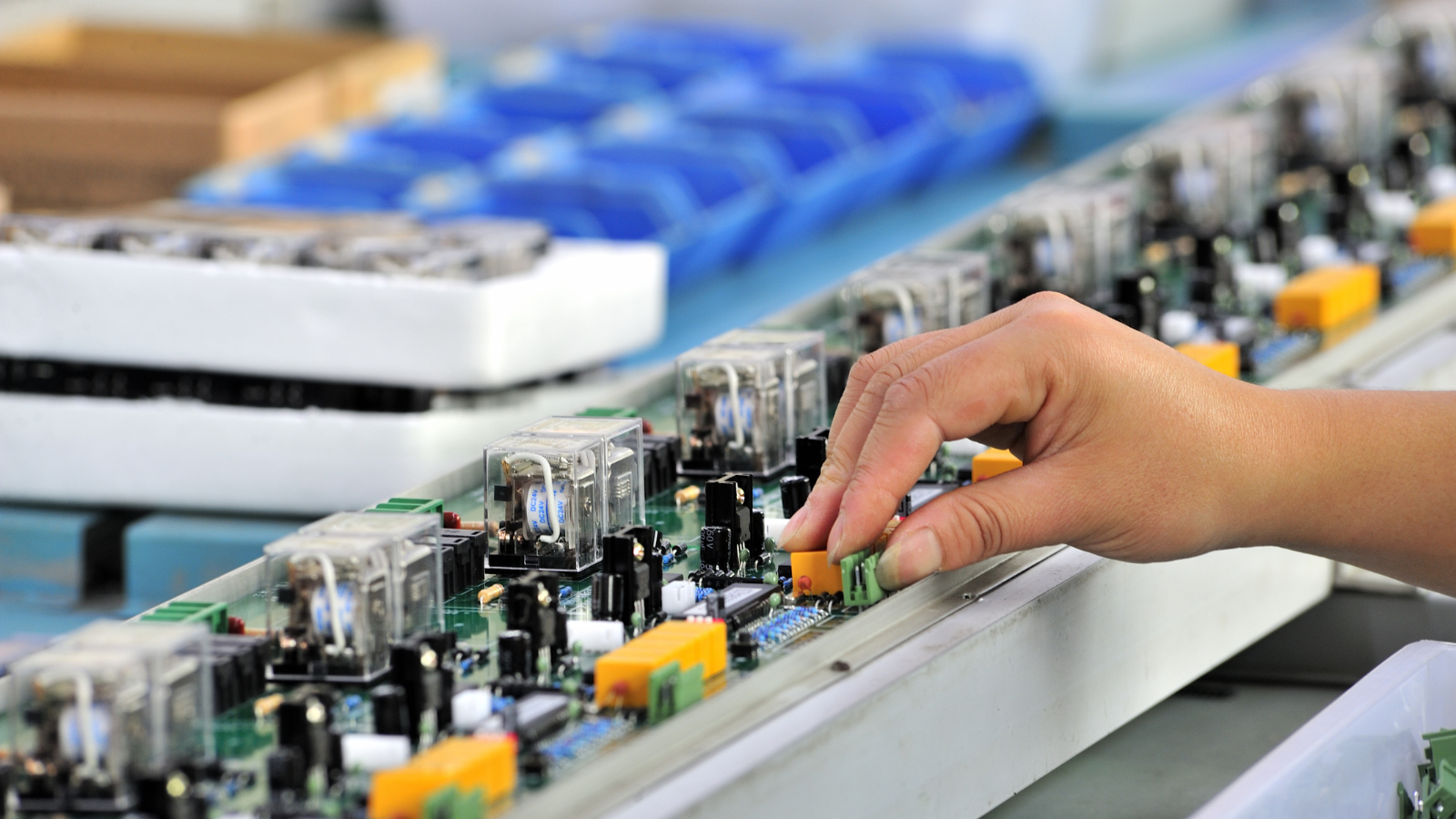
Consumer Electronics

Forecast demand for rapidly changing product portfolios by integrating supplier constraints, product launch schedules, market trends, and historical sales performance to improve procurement planning and inventory turnover.

Consumer Electronics

Our AI Retail Engineering Process

Our development methodology follows enterprise-grade engineering practices to build scalable, production-ready forecasting platforms aligned with your operational goals.

Retail Data Assessment

Our solution architects evaluate ERP, POS, CRM, WMS, and eCommerce data sources to identify forecasting variables, data quality gaps, and integration requirements.

AI Model Engineering

We develop custom forecasting models using TensorFlow, PyTorch, Amazon SageMaker, Azure Machine Learning, MLflow, and feature engineering pipelines optimized for retail demand prediction.

Enterprise Integration

Our developers integrate forecasting services with ERP platforms, warehouse management systems, pricing engines, supplier portals, and API gateways using secure microservices and event-driven middleware.

Model Validation & Continuous Learning

We validate forecasting accuracy through cross-validation, backtesting, anomaly detection, drift monitoring, and automated retraining pipelines to continuously improve prediction performance.

Deployment, Monitoring & Optimization

We deploy scalable forecasting services on Kubernetes using Docker containers, CI/CD pipelines, observability tools, and MLOps practices to ensure high availability, performance, and continuous optimization.

Ready to modernize retail planning with intelligent forecasting? Schedule a consultation with our AI engineers to architect a scalable AI demand forecasting platform tailored to your retail operations.

Why Partner with Oodles Technologies

Building enterprise-grade forecasting platforms requires deep expertise across artificial intelligence, retail operations, and distributed software engineering.

0%

Improving forecast accuracy by up to 35% through adaptive machine learning models and real-time feature engineering.

0%

Reducing inventory carrying costs by nearly 30% using intelligent replenishment recommendations powered by AI demand forecasting.

0%

Increasing product availability by over 25% through automated demand sensing and predictive inventory planning.

Retail-Centric Engineering

We develop custom forecasting systems instead of configuring generic SaaS products, allowing every prediction model to align with your merchandising, procurement, and replenishment strategies.

Proven Technical Outcomes

Our enterprise forecasting architectures have helped organizations achieve measurable operational improvements through adaptive machine learning, intelligent replenishment, and predictive inventory planning.

AI-Ready Retail Infrastructure

Our forecasting solutions combine vector databases, feature stores, semantic data layers, MLOps automation, and enterprise APIs to create scalable decision-support systems that evolve with your retail business.

"Retail forecasting is no longer about estimating tomorrow's sales—it is about continuously learning from millions of operational signals to optimize every inventory and merchandising decision in real time."

- Lead AI Solutions Architect, Oodles Technologies

Future-Proof Your Retail Operations with AI Demand Forecasting

Retail success depends on anticipating market demand before it happens. Our engineers develop intelligent forecasting ecosystems that combine artificial intelligence, machine learning, cloud computing, and enterprise integrations to deliver resilient, scalable retail planning infrastructure. By implementing AI demand forecasting, retailers gain greater inventory visibility, faster decision-making, optimized replenishment strategies, and sustainable operational growth across evolving retail environments.

Future-Proof Retail Operations with AI Demand Forecasting

Accelerate intelligent retail planning with enterprise-grade AI demand forecasting solutions. Partner with our AI engineers to build scalable forecasting platforms that improve planning accuracy, operational efficiency, and customer satisfaction.

Frequently Asked Questions

What is AI demand forecasting?
AI demand forecasting uses artificial intelligence, machine learning algorithms, and predictive analytics to estimate future customer demand by analyzing historical sales, market trends, seasonal patterns, promotions, and external business variables.
How is AI demand forecasting different from traditional forecasting?
Traditional forecasting relies on static statistical models and manual assumptions, while AI demand forecasting continuously learns from new data using machine learning models that automatically adapt to changing customer behavior and market conditions.
Which AI technologies do you use for retail forecasting?
We develop forecasting platforms using TensorFlow, PyTorch, XGBoost, Prophet, Amazon SageMaker, Azure Machine Learning, MLflow, Apache Spark, Kafka, Kubernetes, Docker, and cloud-native MLOps pipelines.
Can your forecasting platform integrate with our existing ERP system?
Yes. Our engineers integrate forecasting solutions with leading ERP platforms, warehouse management systems, CRM software, POS systems, and ERP in retail environments through secure APIs, middleware, and event-driven architectures.
How does machine learning improve demand forecasting accuracy?
Our demand forecasting machine learning models continuously analyze sales history, customer behavior, pricing changes, supplier lead times, holidays, promotions, and external market signals to improve forecasting accuracy over time.
Can AI forecast demand across multiple retail channels?
Yes. Our forecasting engines aggregate data from physical stores, eCommerce websites, marketplaces, mobile applications, and distribution centers to generate unified demand predictions across omnichannel retail operations.
Do your forecasting models support promotional planning?
Absolutely. By integrating AI in marketing data with customer segmentation, campaign performance, and promotional calendars, our forecasting models estimate expected demand before marketing initiatives are launched.
How long does an enterprise AI forecasting implementation take?
Implementation timelines depend on system complexity, data readiness, and integration scope. Most enterprise deployments are completed within 12 to 20 weeks, including model development, integrations, validation, and production deployment.
Do you provide post-deployment support?
Yes. Our managed services include model monitoring, automated retraining, MLOps management, performance optimization, cloud infrastructure support, security updates, and continuous forecasting improvements.
What business outcomes can retailers expect from AI demand forecasting?
Retailers typically experience improved forecast accuracy, lower inventory costs, reduced stockouts, optimized replenishment, better customer satisfaction, faster planning cycles, and more informed strategic decision-making through intelligent, data-driven forecasting.